
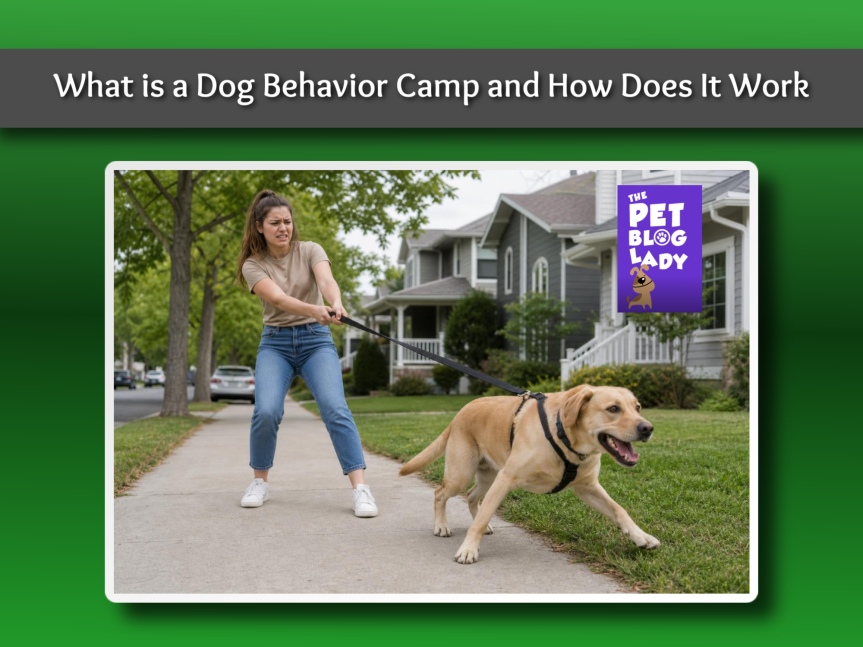
When facing persistent behavioral challenges with our beloved canine companions, many of us feel lost and overwhelmed. We dream of peaceful walks, quiet evenings, and polite greetings, but the reality often involves leash pulling, incessant barking, or anxiety-driven destruction. Standard obedience classes, while valuable for basic manners, often fall short when addressing the deeper, more complex issues that impact our dogs’ quality of life and our relationship with them.
This is where a specialized dog behavior camp can make a profound difference. These immersive programs go beyond simple command training, delving into the root causes of problematic behaviors like reactivity, fear, or aggression. They offer a structured, consistent environment where professional trainers can dedicate focused time to reshape habits and build confidence.
Understanding the nuances of Dog behavior immersion is key to finding a program that truly helps. In this extensive guide, we will explore what separates a true behavior camp from standard boarding or daycare, the specific issues they can address, the training philosophies employed, and crucial questions to ask before enrolling. Our goal is to equip us with the knowledge needed to choose a camp that not only transforms our dog’s behavior but also strengthens our bond for years to come.
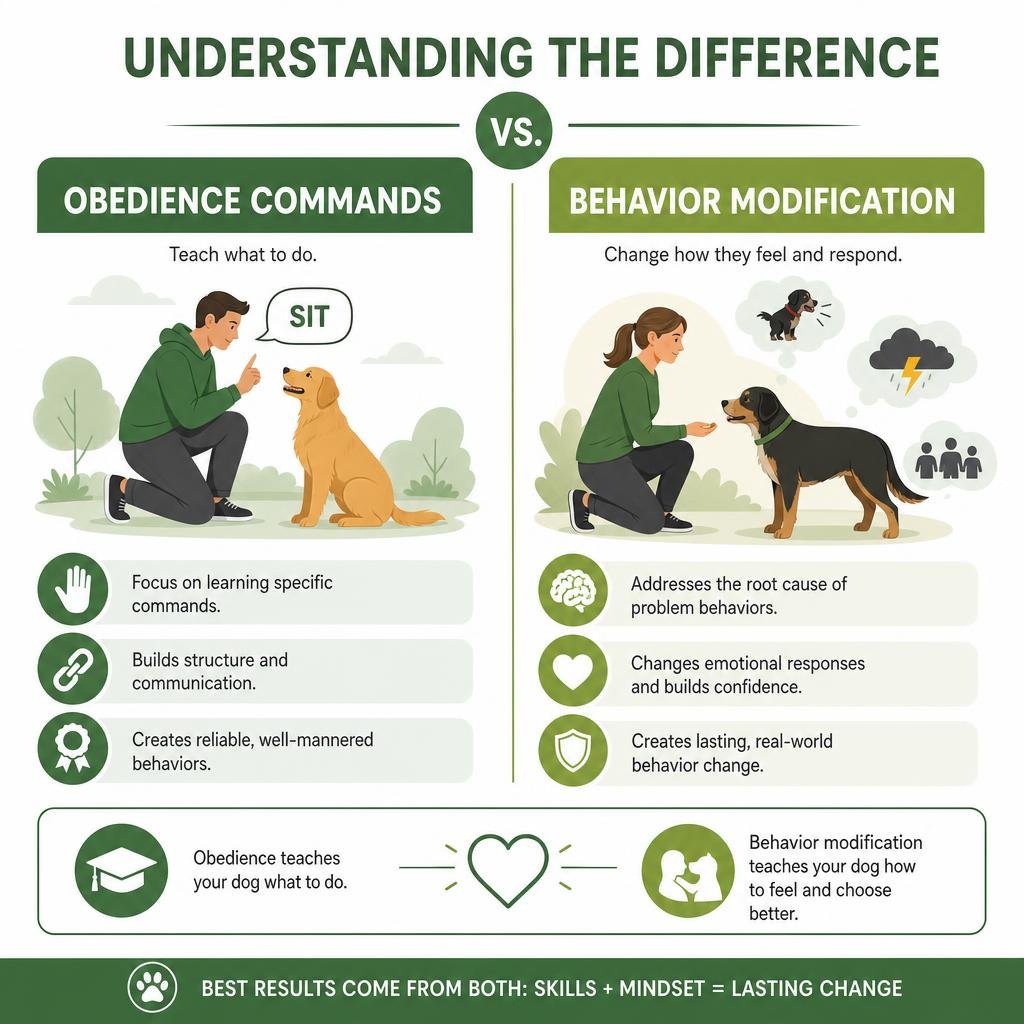
A dog behavior camp is an intensive, immersive training program designed to address specific, often complex, behavioral issues in dogs. Unlike standard obedience classes or casual doggy daycare, these camps provide a highly structured environment where dogs live and train with professional behavior specialists for an extended period. The core philosophy revolves around creating predictable schedules, consistent rules, and controlled environmental exposure to reshape undesirable behaviors and instill new, positive habits.
The daily routine at a behavior camp typically involves multiple training sessions focusing on behavior modification, alongside structured socialization, mental enrichment, and appropriate rest. Management tools like crates and gates are often utilized to prevent the practice of unwanted behaviors and promote calmness. The goal is not just to teach commands but to change the dog’s underlying emotional responses and decision-making processes. This comprehensive approach helps prevent bad habits from taking root or reinforces positive ones, ensuring that the dog learns to navigate various situations with confidence and calm.
Standard Board and Train Versus Behavior Camps
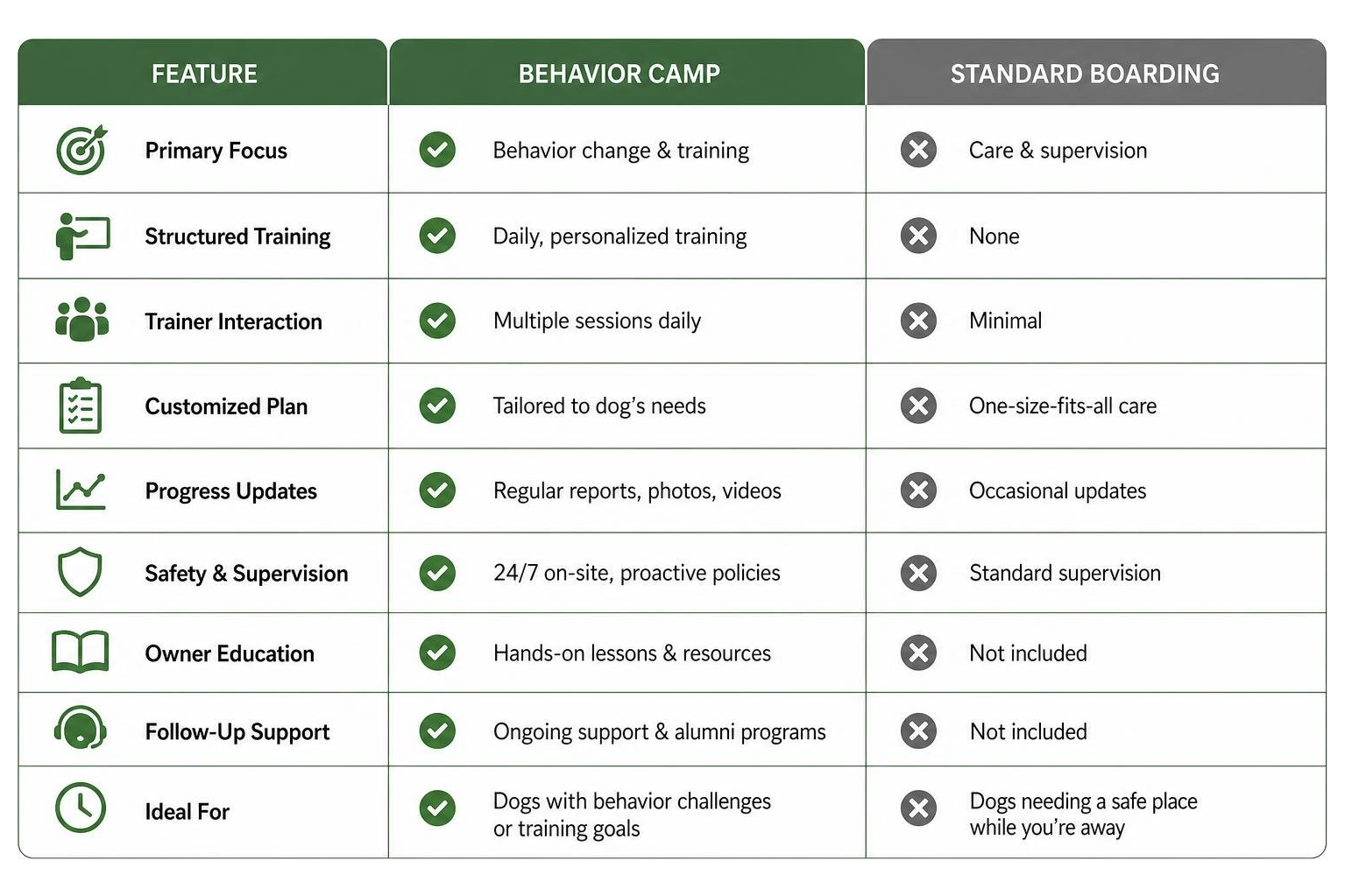
While “board and train” is a broad term that can encompass various programs, a dedicated “behavior camp” distinguishes itself by its specialized focus. Many standard board and train programs excel at teaching basic to advanced obedience commands like sit, stay, and recall. They might focus on off-leash reliability or polite leash manners. However, they may not always delve into the intricate root causes of deeply ingrained issues such as severe anxiety, reactivity, or aggression.
Dog behavior camps, on the other hand, are typically run by dog behavior specialists who possess a deeper understanding of canine body language, learning theory, and the science behind complex behavioral problems. These specialists go beyond simply teaching a dog to “sit” when it’s lunging at another dog; they work to change the dog’s emotional state and perception of the trigger. This often means addressing underlying fear, insecurity, or overstimulation.
Most boarding facilities and dog daycares are not equipped to support dogs with anxiety, reactivity, or unique behavioral needs. Their primary focus is often on group play and physical exercise, which can inadvertently exacerbate issues for dogs that struggle in such environments. Behavior camps, conversely, are specifically designed with these sensitive dogs in mind, offering controlled interactions, individualized attention, and tailored behavior modification plans. The aim is not just to tire a dog out, but to teach them how to cope, make better choices, and ultimately thrive in various situations.
The Role of Dog Behavior Immersion in Modifying Habits
The power of a dog behavior camp lies in its immersive nature. When a dog is fully immersed in a consistent, controlled training environment, they are given the optimal conditions to form new habits and “muscle memory” for desired behaviors. Experts suggest it takes thousands of repetitions—often between 4,000 to 6,000—for an exercise to become truly ingrained as muscle memory for a dog. This level of consistent practice is challenging for even the most dedicated owner to achieve at home, especially while managing daily life.
In a behavior camp setting, trainers can provide this continuous, structured repetition. Dogs spend their days living and learning within the program, allowing them to settle into a new environment and build trust with their trainers. This dedicated time helps undo unwanted behaviors and replace them with better habits, often much faster than intermittent training sessions.
Moreover, many behavior camps utilize a concept known as “modeling” or passive learning. Dogs crated on the training floor might learn passive obedience and calm behavior simply by observing other dogs undergoing active training sessions around them. This constant exposure to desired behaviors, combined with immediate feedback and professional intervention, makes dog behavior immersion a highly effective method for profound and lasting behavioral change. It’s a comprehensive approach that leverages the dog’s natural learning capabilities within a supportive and structured environment.
The Reality of Dog Behavior Immersion Programs
It’s crucial to approach dog behavior immersion programs with realistic expectations. While these camps can be transformative, they are not a “magic cure” that instantly solves all problems without ongoing effort from the owner. Instead, they provide a powerful foundation for change, offering intensive professional intervention and consistency that is difficult to replicate at home.
A reputable behavior camp will emphasize that the training journey is a collaborative effort. They develop individualized training plans tailored to each dog’s specific needs and temperament, recognizing that there is no one-size-fits-all approach. Many successful programs integrate a balanced training approach, utilizing a combination of methods such as food rewards, marker training, leash work, and remote collars. The key is often finding the right balance of meaningful reinforcement for desired behaviors and fair, clear consequences for undesirable ones. This approach aims to build clarity and trust between the dog and handler, fostering a better relationship.
Addressing Severe Issues Through Dog Behavior Immersion
Dog behavior camps are specifically designed to tackle a wide range of challenging behavioral issues that often overwhelm owners and can significantly impact a dog’s quality of life. These include:
- Leash Reactivity: This common issue involves dogs barking, lunging, or growling at other dogs, people, or objects while on a leash. Camps provide structured behavior modification and controlled exposure to triggers, teaching dogs to remain calm and focused. We’ve seen transformations where dogs that used to bark and lunge at every dog can now walk calmly through busy neighborhoods.
- Separation Anxiety: Dogs experiencing severe distress when left alone can exhibit destructive chewing, incessant barking, or indoor marking. Immersion programs offer consistent routines, confidence-building exercises, and gradual desensitization techniques to help dogs feel more secure when alone. One example includes a dog named Rufus who stopped destructive chewing, marking, and fence barking after just three weeks in a behavior camp.
- Resource Guarding: This involves a dog protecting food, toys, or even people from others. Camps address this through controlled exercises that teach dogs to comfortably share and trust that their resources will not be taken away.
- Fear and Avoidance: Dogs can develop fear of specific objects, sounds, people, or environments. Behavior camps use gentle counter-conditioning and desensitization techniques to help dogs build confidence and overcome their fears in a safe, controlled manner.
- Destructive Chewing/Digging: Beyond separation anxiety, some dogs engage in destructive behaviors out of boredom, lack of appropriate outlets, or habit. Camps provide mental enrichment, structured exercise, and redirect these behaviors to appropriate outlets.
- Socialization with Mentor Dogs: For dogs lacking appropriate social skills, some camps utilize balanced “mentor dogs” (like a gentle Saint Bernard) to teach puppies and undersocialized adult dogs proper social cues and manners in a controlled environment. This unique approach helps dogs learn natural canine communication in a safe setting.
These programs are particularly beneficial for dogs with moderate to severe behavioral challenges, where consistent, professional intervention is necessary to create lasting change.
Training Philosophies and Tools Explained
The world of dog training encompasses a diverse range of philosophies and tools, and behavior camps often reflect these different approaches. Understanding them is key to choosing a camp that aligns with our personal values and our dog’s needs.
- Balanced Training: Many camps adopt a balanced training approach, which integrates both positive reinforcement (rewarding desired behaviors) and fair, clear corrections for unwanted behaviors. Proponents, such as trainers with backgrounds in military or hunting dogs, believe this combination yields the most reliable and balanced outcomes for most dogs. They argue that there is no one-size-fits-all approach, and a blend of food, marker, leash, and remote collar training can be highly effective.
- Positive Reinforcement (Force-Free): Other camps strictly adhere to positive reinforcement, focusing exclusively on rewarding good choices and managing the environment to prevent unwanted behaviors. These “force-free” methods avoid aversive tools or techniques that might cause fear or discomfort. Organizations like Every Dog, a nonprofit, champion this approach, emphasizing that everyone should have access to ethical, professional training without the use of shock or prong collars. Fear Free Certified® professionals also fall into this category, prioritizing methods that reduce a pet’s stress, anxiety, and fear.
- E-Collar Communication: Electronic collars, often referred to as e-collars or remote collars, are a tool used in some balanced training programs for off-leash reliability and distance communication. Trainers like James Hamm, the Lonestar Dog Trainer, find them highly effective for dogs that get over-excited or don’t like leashes, providing a way to humanely communicate at a distance. When used correctly and fitted properly, they can gently reinforce desired behavior without causing distress. However, their use is a point of contention, with force-free advocates strongly opposing them.
- Prong Collars and Slip Leads: These are other types of training collars used by some balanced trainers for leash manners and control. Like e-collars, their use requires proper technique and understanding to be effective and humane.
- Humane Distance Communication: Regardless of the tool, the goal of many advanced training methods is to establish clear communication with the dog, allowing for control and guidance even at a distance. This is particularly valuable for dogs that need to generalize their training to real-world environments with distractions.
When evaluating a camp, we should inquire about their specific philosophy and the tools they use. A transparent camp will openly discuss their methods and explain why they believe their approach is best for the issues they address.
Key Red Flags to Avoid When Selecting a Camp
Choosing the right dog behavior camp is a significant decision, and the unregulated nature of the dog training industry means that quality can vary widely. It’s essential to be vigilant and look for certain red flags that could indicate a less-than-ideal program.
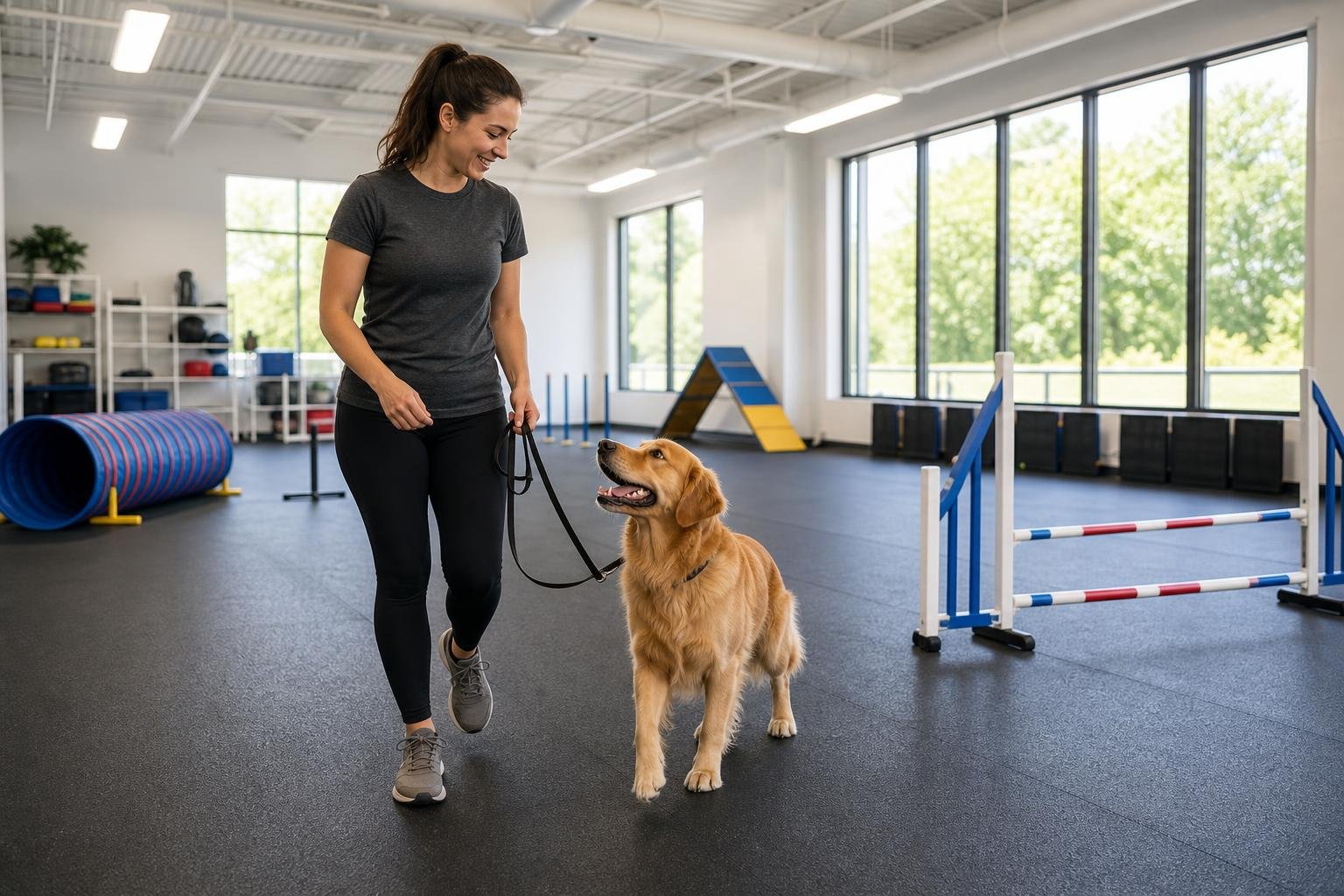
One critical area to scrutinize is trainer credentials and experience. Many individuals can call themselves “certified” after only completing online courses without ever truly handling a dog. A reputable camp will employ certified professional dog trainers (CPDT) or specialists with extensive hands-on experience, often gained through apprenticeships under master trainers. For instance, some trainers boast 30 years of experience, or come from backgrounds in military working dogs, demonstrating a deep practical knowledge. Look for trainers who are transparent about their qualifications and how they acquired them.
Another vital consideration is the dog-to-trainer ratio. In an immersive environment, individualized attention is paramount, especially for dogs with complex behavioral issues. A low ratio, such as no more than four dogs to one trainer, ensures that each dog receives the necessary focus and supervision. Programs with high ratios may struggle to provide adequate care and tailored training, potentially leading to overstimulation or overlooked stress signals.
Finally, inquire about the camp’s stress monitoring policies. Dogs, especially those with anxiety or reactivity, can become overwhelmed in new environments. A good camp will have a proactive policy for monitoring a dog’s stress levels and will communicate with owners if a dog shows signs of being overwhelmed, potentially recommending early pickup or a different approach. This demonstrates a commitment to the dog’s well-being over strict adherence to a program schedule.
Transparency in Training Methods
One of the most significant red flags in any dog training program, especially an immersive one, is a lack of transparency. We should be wary of any facility that practices “behind the curtain” training, where owners are not allowed to observe sessions or are kept in the dark about the specific methods being used. Reputable camps believe that all methods, philosophies, and physical instructions must be fully transparent to the owner. This ensures that we understand how our dog is being trained and can replicate those methods effectively at home.
Beyond training techniques, transparency also extends to facility safety measures. For anxious, reactive, or aggressive dogs, safety is paramount. We should inquire about:
- Climate Control: Especially in regions like Texas during the summer, ensuring dogs stay in climate-controlled facilities is crucial. Some camps, for example, schedule training during cooler morning and evening hours and provide frozen treats to prevent overheating.
- Supervision and Separation: How are dogs housed? Are they constantly supervised? How are reactive or aggressive dogs separated from others to ensure safety? Some high-quality behavior camps maintain 24/7 on-site staffing, providing continuous oversight and immediate intervention if needed. This contrasts sharply with facilities that might leave dogs unsupervised overnight.
- Vaccination Requirements: To maintain biosecurity, all reputable camps should require proof of current vaccinations and negative fecal tests for all participating dogs. This protects not only our dog but all others in the facility.
A camp that openly discusses these aspects, offers facility tours, and provides regular updates (like daily photos and videos) demonstrates a commitment to both effective training and the well-being of the dogs in their care.
The Transition Plan and Owner Education
Even the most successful behavior camp program will fall short if the training isn’t effectively transferred to the owner and maintained at home. This is why the transition plan and owner education are arguably the most crucial components of a reputable camp. As one expert insight suggests, “90% of our job is training you” – highlighting that lasting behavior change requires the owner to understand how to communicate with their dog and maintain the training protocols.
A good camp understands that our dog will listen to us after camp only if we are equipped with the knowledge and skills to continue the work. This typically involves:
- Private Transition Lessons: At the time of pickup, we should receive hands-on lessons with the trainer, learning how to replicate the exact training methods and commands our dog has learned. This is often a multi-hour session, sometimes even including multiple lessons, to ensure we feel confident.
- Custom Videos and Instructional Materials: Many camps provide personalized videos of our dog training, along with written guides or access to online portals. These resources serve as invaluable refreshers as we integrate our dog back into our home routine.
- Follow-Up Support and Alumni Programs: The best camps offer ongoing support, which might include post-camp in-home coaching sessions, access to alumni communities, free refresher classes, or weekly trainer Q&A sessions. This support is vital for preventing regression and addressing any new challenges that arise. Some programs even offer lifetime refresher support, demonstrating their commitment to long-term success.
The goal is to empower us to reproduce the results achieved at camp, establishing consistency in expectations and reinforcing the new behaviors. Without this critical owner involvement, our dog might revert to old habits, as they learn that the rules at home are different from those at camp.
Frequently Asked Questions About Behavior Camps
Choosing a dog behavior camp can raise many questions for concerned pet owners. Here, we address some of the most common inquiries to help us make an informed decision.
How long does a typical behavior camp last?
The duration of a dog behavior camp varies significantly depending on the dog’s age, the severity of the behavioral issues, and the program’s specific goals.
- Puppy Camps: These foundational programs, often for puppies under 6 months old, typically last 2 weeks. They focus on early socialization, house manners, and basic obedience.
- Basic to Advanced Obedience: For adult dogs needing general obedience or mild behavioral adjustments, programs often range from 2 to 3 weeks. For example, some “basic camps” might be two weeks, while “standard camps” extend to three weeks.
- Behavior Modification: For more ingrained or severe issues like reactivity, anxiety, or aggression, camps often require a longer commitment. Many specialists recommend a 21-night minimum stay to allow the dog enough time to settle into the new environment, build trust with trainers, and consistently practice new behaviors. Some “premium behavior camps” can last 4 weeks or even longer to ensure deep-seated changes.
The rationale behind these durations is that it takes a few days for a dog to settle into a new environment before their true personality and behavioral habits emerge. It then takes consistent time and repetition to undo unwanted behaviors and replace them with better habits.
Will my dog still listen to me after camp?
This is one of the most common concerns for owners, and the answer is a resounding yes – with proper owner education and follow-up. Reputable behavior camps place a strong emphasis on transferring the training to the owner. They understand that a dog needs to learn to generalize commands and behaviors to all family members, not just the professional trainer.
To ensure our dog still listens to us, camps typically include:
- Owner Coaching Sessions: These hands-on lessons, often at the time of pickup, teach us how to use the same commands, cues, and management techniques as the trainers.
- Instructional Materials: Videos, guides, and online portals provide resources to review and practice at home.
- Ongoing Support: Many programs offer refresher sessions, alumni classes, or direct access to trainers for questions.
The success ultimately hinges on our commitment to maintaining the consistency and rules established at camp. By continuing to practice and reinforce the learned behaviors, we help our dog understand that the same expectations apply at home, preventing them from reverting to old habits.
How much does a dog behavior camp cost?
The cost of a dog behavior camp can vary widely based on location, program duration, the intensity of training, and the expertise of the trainers. As of July 2026, we can expect to see a range of pricing:
- Assessments: Many camps require an initial behavioral assessment, which might cost around $135.
- Weekly Rates: Some programs charge weekly, starting from around $1,599+tax per week for comprehensive Camp + Coaching programs.
- Package Pricing: Most camps offer package deals for their programs:
- 2-Week Programs: These can range from $1,850 for a basic or puppy camp up to $2,200-$3,000 for more specialized 2-week programs (e.g., for off-leash obedience).
- 3-Week Programs: A “standard camp” might cost around $3,500-$4,000.
- 4-Week Programs: “Premium behavior camps” addressing severe issues can reach $4,599 or more.
- Day Training Camps: Hybrid models that involve daily drop-off but no overnight stay might cost $150-$165 per day, with packages offering discounts.
Given these costs, some behavior camps do offer financing options to make their programs more accessible. It’s always worth inquiring about payment plans or financing partnerships. While the investment can be substantial, many owners consider the value of professional intervention, the transformation of their dog’s behavior, and the restoration of peace to their household to be priceless. Some non-profit organizations even offer sliding-scale financial assistance to increase accessibility.
Conclusion
Choosing a dog behavior camp is a significant step toward addressing persistent behavioral challenges and fostering a harmonious relationship with our canine companions. These immersive programs offer a unique opportunity for dogs to develop new habits, build confidence, and learn appropriate responses in a structured, consistent environment. They go beyond basic obedience, tackling the root causes of issues like reactivity, anxiety, and aggression, with the guidance of experienced behavior specialists.
The path to a peaceful household begins with clear communication, consistent management, and a deep understanding of our dog’s needs. While a behavior camp provides an invaluable foundation, the ultimate success lies in our commitment to continuing the training at home, utilizing the tools and knowledge gained during the program. By carefully researching programs, asking critical questions about training philosophies, safety measures, and owner education, we can select a camp that not only transforms our dog but also empowers us to be the best possible handlers.
If we’re struggling with a dog who is reactive, anxious, or destructive, we don’t have to face these challenges alone. A well-chosen behavior camp can be the turning point, helping our beloved companion become the calm, confident, and well-behaved family member we’ve always envisioned. It’s about investing in a future where both we and our dog can thrive, enjoying a lifetime of clear communication and mutual respect. Consider scheduling a Good Dog Game Plan consultation with a reputable behavior specialist to explore the best options for our unique situation.
