
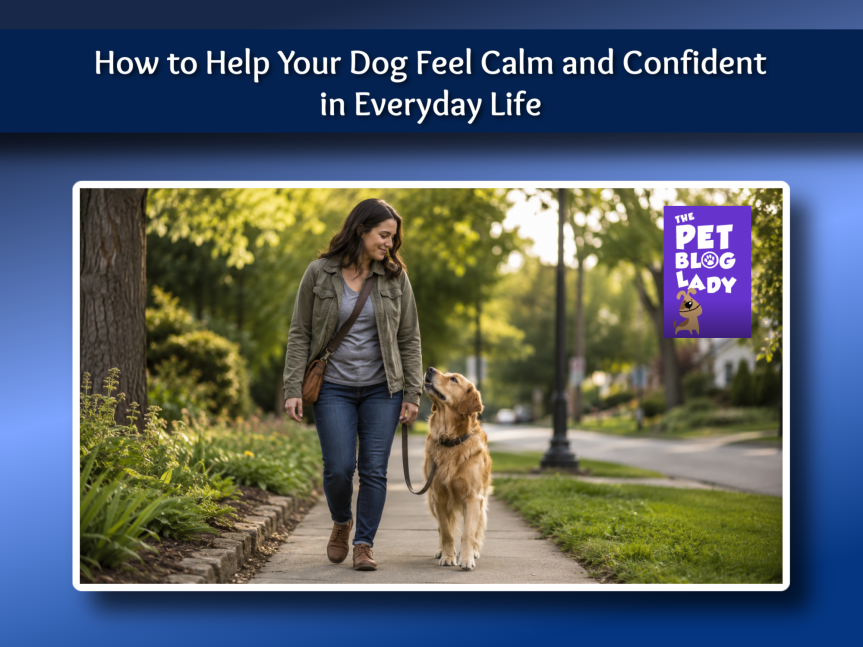
Have you ever watched your dog behave beautifully at home, only to lose focus the moment a visitor arrives or a squirrel appears? Dogs need patient practice, clear routines, and guidance that makes sense to them.
Families looking for professional support can speak with Off Leash K9 Training Atlanta about the habits affecting walks, greetings, home routines, and everyday communication.
Start With the Behavior You Want
It is easy to focus on what you want your dog to stop doing. Stop pulling. Stop jumping. Stop barking. However, dogs learn more effectively when they are shown what to do instead.
If your dog jumps on visitors, teach a sit or place command before the door opens. If your dog pulls toward every interesting smell, reward several loose-leash steps before allowing time to sniff. If barking begins at the window, guide your dog to a quieter location and reward calm attention.
Make Everyday Routines Predictable
Dogs notice patterns quickly. They learn what happens before breakfast, what gets the leash clipped on, and which behaviors earn attention. A predictable routine can help reduce restless behavior because your dog understands when activity, food, play, and rest will happen.
Begin with simple moments. Ask for a pause before putting down the food bowl. Wait for calm paws before opening the door. Encourage your dog to settle after a walk instead of moving immediately into another exciting activity.
Consistency does not mean every day must follow a strict schedule. It means the same behavior should generally lead to the same outcome.
Use Obedience Skills in Real Life
Basic commands become valuable when they solve ordinary problems. Sit can make greetings safer. Place can help during meals or deliveries. Recall can bring your dog away from a distraction. Heel can make walks more manageable.
A structured Dog Obedience program can help owners build these skills and understand how to reinforce them around distractions.
Practice in several places because dogs often connect a cue with the environment where it was learned. A reliable sit in the kitchen may need additional work in the yard, driveway, and neighborhood. Raise the difficulty gradually so your dog continues to succeed.
Reward Calm Choices Early
Many owners wait until their dog is completely overexcited before stepping in. By then, the dog may be barking, spinning, pulling, or jumping and unable to process a familiar cue.
Look for earlier signs. Your dog may stare, lean forward, close their mouth, begin whining, or move more quickly. These small changes tell you excitement is building.
Reward a calm glance, loose leash, or brief pause before the reaction grows. Early reinforcement helps your dog learn that self-control is worthwhile. Longer periods can develop with practice.
Choose a Training Format That Fits
Every household has different needs. Some owners enjoy participating in weekly lessons and practicing each step at home. Others have demanding schedules or dogs with established habits that require concentrated daily work.
A Board and train program may provide immersive practice in a structured environment. Owner involvement remains important after the dog returns home. Families need to understand the commands, boundaries, equipment, and daily follow-through required to maintain progress.
Before choosing a program, ask what skills will be covered, how updates will be shared, and what support is available afterward. Training should strengthen communication between the dog and family.
Understand What Difficult Behavior Means
Growling, lunging, snapping, and guarding can be frightening. These behaviors may be influenced by fear, frustration, discomfort, overstimulation, or learned habits. They should not be treated as simple disobedience.
Professional Dog Aggression support can help owners identify triggers, improve management, and build safer responses. Serious behavior concerns require realistic expectations and careful handling.
Avoid forcing a dog closer to something that causes a strong reaction. Creating distance can prevent escalation and allow the dog to settle. Sudden behavior changes should also be discussed with a veterinarian because pain or illness can affect mood and tolerance.
Help Reactive Dogs Before They Explode
Reactivity often appears as barking, lunging, whining, or pulling around a particular trigger. A reactive dog may be frightened, frustrated, or intensely excited rather than aggressive in every situation.
Reactive Dog Training can help owners recognize early warning signs, manage distance, and practice more controlled responses.
Start far enough from the trigger that your dog can still eat, move, and respond. Reward attention and calm body language. If your dog reacts, increase distance rather than repeating commands or tightening the leash in frustration.
Progress may be slow, but small improvements matter. A dog who can look at a trigger and then turn back toward the owner has made a meaningful step.
Balance Activity With Rest
Exercise is important, but more running is not always the complete solution. Dogs also need sniffing, chewing, problem-solving, and uninterrupted sleep.
Try food puzzles, scent games, short trick sessions, and relaxed walks that allow time to explore. These activities provide mental enrichment without creating constant excitement.
Rest is equally valuable. An overtired dog may become mouthy, noisy, restless, or unable to focus. Create a comfortable place where your dog can settle after walks, play, visitors, and training.
Celebrate Progress Instead of Perfection
Dog training rarely moves in a straight line. Your dog may perform beautifully one day and struggle the next because the location, energy level, or distraction has changed.
When a familiar skill falls apart, make the task easier. Shorten the duration, move farther from the trigger, or choose a quieter setting. Mistakes are information, not proof that training has failed.
Whether your goals involve puppy training, therapy dog training, household manners, or safer behavior in public, progress begins with clear communication and consistent practice. Celebrate the small wins. A calmer greeting, a looser leash, or one successful recall can be the beginning of a more confident dog and a happier life together in daily family life.