
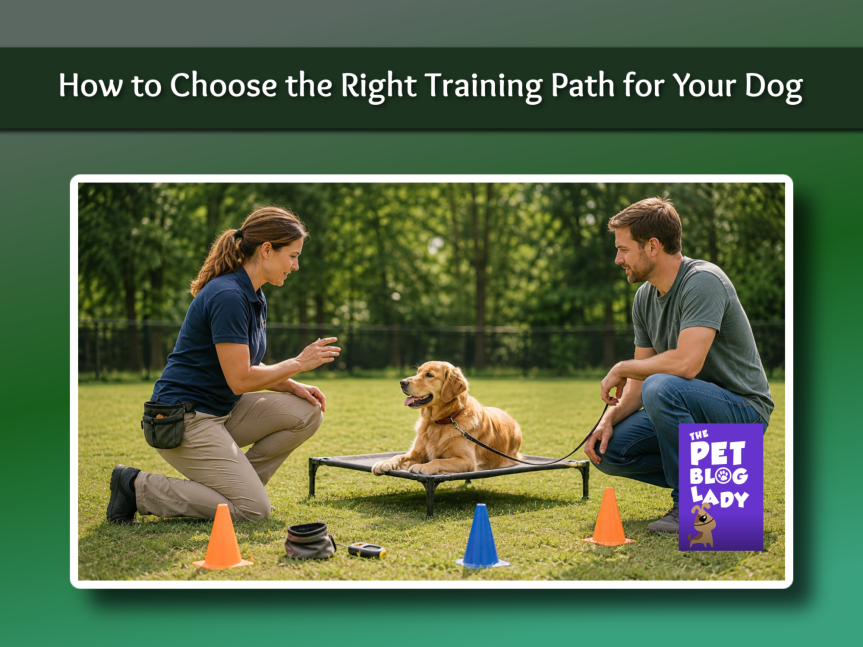
Living with a dog should feel joyful, but behavior problems can turn routines into daily stress. A dog that pulls, ignores recall, jumps on guests, or becomes overwhelmed around other dogs may need more than casual practice. The right program depends on your dog’s behavior, your schedule, and how involved you want to be in each lesson.
Families looking for structured guidance can begin with Off Leash K9 Training Murrieta. Speaking with a Dog training expert in Murrieta can also help you choose an approach based on your dog rather than convenience alone.
Start With the Problem You Want to Solve
Before comparing programs, write down the behaviors that make daily life difficult. Be specific. “My dog is bad on walks” is less useful than “My dog pulls toward other dogs, ignores me near traffic, and cannot hold a sit at crosswalks.”
Clear examples help a trainer understand what is happening and measure progress. Common goals include better leash manners, dependable recall, calmer greetings, improved focus, stronger impulse control, and reliable responses around distractions.
A training plan should reflect the dog in front of you. Age, temperament, previous training, household routines, and behavior history can affect the best starting point.
When Board and Train May Be Helpful
A structured Board and Train program may suit owners who want their dog to receive concentrated daily practice with a professional trainer. The dog stays with the trainer for an established period and works on obedience, manners, and real-world behavior.
This option can be useful for dogs that need consistent repetition or owners who struggle to create enough training time at home.
Board and train is not a magic handoff. Owners still need to learn the commands, handling techniques, boundaries, and practice routine. A detailed transition session matters because the same expectations must continue after the dog returns home.
Why Obedience Is More Than Tricks
Reliable Dog Obedience is not about turning a pet into a robot. It gives the dog clear information and gives the owner practical ways to guide behavior.
Commands such as come, sit, down, place, and heel can make everyday situations safer and calmer. Recall can redirect a dog away from trouble. Place can prevent crowding during meals or guest arrivals. Heel can make walks easier, while extended sit and down can build patience.
When Private Lessons Are the Better Fit
Some owners want to participate in every stage of training. Private Training allows the trainer to work directly with the dog and owner together.
This format can be ideal when the owner needs help with leash handling, timing, command delivery, or household consistency. Lessons can focus on specific concerns instead of following a broad group curriculum.
Private lessons require practice between appointments. The trainer can demonstrate and adjust the plan, but progress depends on what happens during the rest of the week. Families should agree on commands and boundaries so the dog receives the same message from everyone.
What Professional Training Should Provide
Quality Professional Dog Training should offer more than a list of commands. Owners need a practical system they can understand and continue using in normal life.
A trainer should ask about the dog’s history, routine, triggers, previous training, and family goals. The plan should explain what will be taught, how progress will be evaluated, and what responsibilities remain with the owner.
Clear communication is especially important when working on fear, reactivity, aggression, or severe anxiety. No ethical trainer should promise that every complex behavior will disappear completely. Progress may mean fewer reactions, faster recovery, safer management, and better responsiveness rather than a total personality change.
Match the Program to Your Lifestyle
The most intensive program is not automatically the best one. Think honestly about your schedule and how much practice you can maintain.
Board and train may provide a strong jump-start, but owners must continue the structure. Private lessons may build handling skills, but they require regular homework. Basic obedience may be enough for a dog with mild manners issues, while a dog with a bite history or serious reactivity may need a specialized assessment.
Ask what happens after the program. Owner education, follow-up support, refreshers, and clear take-home instructions can make a major difference in long-term success.
Prepare for Training Before It Begins
Make a list of problem behaviors, commands your dog knows, medical concerns, favorite rewards, and situations that trigger excitement or fear.
Everyone in the household should understand that improvement requires consistency. If one person allows jumping while another stops it, the dog receives mixed information. Decide which rules matter and apply them fairly.
Dogs learn at different speeds. A puppy may need help with attention and impulse control. An adult rescue may need time to build trust. A confident dog may progress quickly in one area while struggling in another.
Continue the Work at Home
Professional instruction creates a foundation, but daily habits maintain it. Practice short sessions, use commands during normal routines, and reinforce calm behavior before meals, walks, play, and doorways.
Do not wait for a major problem before using the skills. Ask for place while cooking, practice heel during quiet walks, and reward recall in controlled settings. Small repetitions teach the dog that training applies throughout the day.
Setbacks are normal. If behavior becomes inconsistent, reduce the difficulty and rebuild success rather than repeating commands in frustration.
Final Thoughts
Choosing a dog training program becomes easier when you focus on your dog’s needs, your family’s routine, and the level of support required. Board and train, obedience programs, and private lessons can all be valuable when matched thoughtfully to the dog and followed by consistent owner practice.
Good training should make communication clearer, routines calmer, and life together more enjoyable. The best program is the one that teaches both the dog and the family how to keep moving forward.