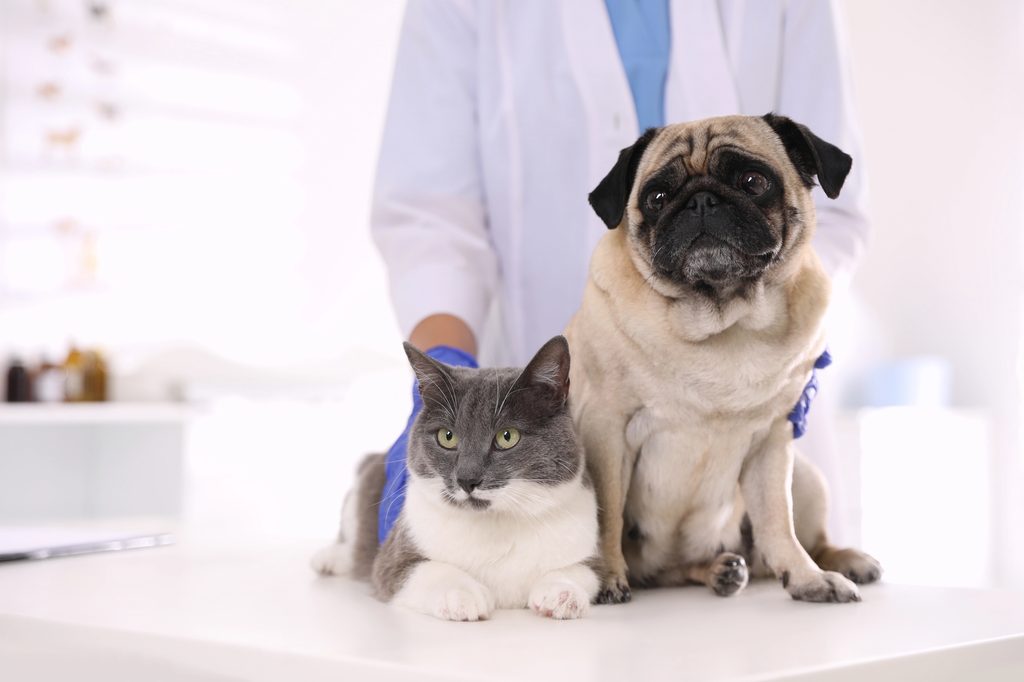
The most common international pet travel mistakes are starting too late, getting the microchip and rabies vaccine in the wrong order, missing a rabies titer test, using a non-accredited vet, misreading the health certificate window, choosing the wrong airline or crate, booking travel during heat or breed embargoes, entering through the wrong airport, and forgetting the paperwork for your destination’s arrival. Most can be avoided by starting 4 to 6 months before your move (longer for countries like Japan, Australia, and New Zealand) and building your timeline backward from your arrival date.
You’ve found the new home, booked the movers, and started packing. Then you learn your dog’s rabies vaccine doesn’t count because it was given before the microchip. Now your pet can’t fly for another 21 days, or worse, another six months.
At , an IATA-certified international pet relocation company, we see this happen every week. The good news: nearly every delay traces back to one of ten predictable mistakes. Here’s what they are, why they cause problems, and exactly how to avoid each one.
Key takeaways
- Start planning at least 4 to 6 months out, and 7 or more months for rabies-free countries.
- Microchip first, then rabies vaccine. The order matters.
- Health certificates have strict windows, often 10 days or less before arrival.
- Airline rules, crate size, and seasonal embargoes can block a flight even when your paperwork is perfect.
- Every country has its own rules. Always confirm current requirements with official sources before you book.
The 10 mistakes that delay international pet moves
1. Starting the process too late
Starting too late is the number one reason pets miss their flight. Many pet owners assume pet travel prep takes a few weeks, like booking a vet visit and buying a crate. In reality, most countries require a sequence of steps with built-in waiting periods.
For much of the European Union, a pet needs a compliant microchip and a rabies vaccine at least 21 days before entry. For rabies-free or rabies-controlled countries like Japan, Australia, New Zealand, and Singapore, the process can take six months or more because of blood testing and mandatory waiting periods.
How to avoid it: Look up your destination’s requirements the day you know you’re moving. Then work backward from your arrival date to set each deadline.
2. Giving the rabies vaccine before the microchip
In many countries, a rabies vaccine only counts if it was given on or after the day your pet was microchipped. If your dog or cat was vaccinated first, the vaccine may need to be repeated, which restarts any required waiting period.
The chip type matters too. Most countries expect a 15-digit ISO 11784/11785 compliant microchip. If your pet has an older non-ISO chip, you may need a second chip or to carry your own scanner.
How to avoid it: Ask your vet to scan and confirm the chip number at the same visit as the rabies vaccine, and make sure the chip number appears on the vaccine certificate.
3. Missing or mistiming the rabies titer test
A rabies titer test (often called a FAVN or RNATT test) is a blood test that proves your pet’s vaccine is working. Countries that are rabies-free or rabies-controlled often require one, and many start a waiting period from the date the blood is drawn. Japan, for example, has historically required a 180-day wait after a passing test.
The test can only be processed at approved laboratories, and results can take weeks. A sample sent to the wrong lab, or drawn too soon after vaccination, may not be accepted.
How to avoid it: If your destination requires a titer test, schedule the blood draw as early as the rules allow, and confirm the lab is approved before your vet sends the sample.
4. Using a vet who isn’t USDA-accredited
For pets leaving the United States, the international health certificate usually must be completed by a USDA-accredited veterinarian and then endorsed by USDA APHIS. Not every vet holds this accreditation, and even accredited vets may be unfamiliar with a specific country’s forms.
A single wrong date, missing signature, or outdated form can mean the certificate is rejected at endorsement or, worse, at your destination.
How to avoid it: Ask your vet directly whether they are USDA-accredited and have completed health certificates for your destination before. Check the USDA APHIS Pet Travel website for the current form.
5. Misreading the health certificate window
Health certificates are time-sensitive. The EU health certificate, for instance, generally must be issued within 10 days of your pet’s arrival, and it still needs USDA endorsement within that window. Other countries use different windows, and some count from arrival rather than departure.
If your flight is rescheduled, a certificate can expire before your pet lands.
How to avoid it: Book the health certificate appointment and the endorsement step around your confirmed flight date. Build in a buffer for weekends, holidays, and shipping time if endorsement isn’t done electronically.
6. Assuming your pet can fly in the cabin
Many owners plan for a small dog or cat to fly in the cabin, only to find out it isn’t allowed. Some countries, including the United Kingdom, don’t allow most pets to arrive in the cabin on commercial flights. Instead, pets must travel as manifest cargo. Airlines also set their own size limits, route restrictions, and per-flight caps on cabin pets.
How to avoid it: Confirm both the airline’s policy and the destination country’s entry rules before you book your own ticket. A pet relocation specialist can tell you which option is actually available on your route.
7. Choosing the wrong travel crate
An incorrectly sized or constructed crate is one of the most common reasons a pet is turned away at check-in. Airlines follow the IATA Live Animals Regulations, which require a crate large enough for your pet to stand without touching the top, turn around, and lie down naturally. The crate also needs proper ventilation, secure hardware, and water and food access.
Sedating your pet to make the journey easier is another frequent mistake. Most airlines won’t accept sedated animals, and veterinary groups advise against it because it can affect breathing and balance at altitude.
How to avoid it: Measure your pet standing, then buy an IATA-compliant crate. Start crate training at least a month before travel so the crate feels familiar and safe.
8. Ignoring breed, weather, and seasonal embargoes
Even perfect paperwork won’t help if the airline won’t accept your pet. Many airlines restrict or ban brachycephalic (snub-nosed) breeds like French Bulldogs, Pugs, Boxers, and Persian cats because they face higher breathing risks during air travel. Airlines also impose temperature embargoes in summer and winter on certain routes.
How to avoid it: If you have a snub-nosed breed, ask about breed policies before anything else, and plan for a larger crate and a cooler travel season. Avoid peak summer travel when possible.
9. Booking the wrong route or arrival airport
Not every airport can receive pets. Many countries only accept animals at specific ports of entry with veterinary inspection facilities. Long layovers, airline changes, or connections through a third country can add rules and risk.
How to avoid it: Choose a route that uses an approved arrival airport, keeps connections to a minimum, and stays with a single airline where possible.
10. Forgetting what happens on arrival
The move isn’t over when your pet lands. Some countries require an import permit issued before travel, advance notice to border officials, customs clearance, or a stay in quarantine. Others require treatments within a tight window. The UK, Ireland, Finland, Norway, and Malta, for example, require dogs to be treated for tapeworm 1 to 5 days before arrival.
How to avoid it: Treat arrival as its own checklist. Confirm import permits, quarantine bookings, customs agents, and final treatments as early as you confirm the flight.
International pet travel timeline: a countdown checklist
Use this countdown as a starting point, then adjust it to your destination’s exact rules.
| When | What to do |
| 6 to 9 months before | Research destination rules. If a titer test is required, microchip, vaccinate, and schedule the blood draw now. |
| 3 to 4 months before | Confirm microchip and rabies vaccine order. Check airline breed and cabin policies. Get a quote from a pet relocation company. |
| 2 months before | Book your pet’s flight and an approved arrival airport. Buy an IATA-compliant crate and begin crate training. |
| 1 month before | Apply for any import permit. Book quarantine if required. Confirm your USDA-accredited vet appointment. |
| 10 days or less before arrival | Complete the health certificate and get USDA APHIS endorsement within your destination’s window. |
| 1 to 5 days before arrival | Give required parasite treatments, such as tapeworm treatment for the UK and Ireland. |
| Travel day | Carry original documents, label the crate, and skip sedation. |
Frequently asked questions
How far in advance should I start planning international pet travel?
Start at least 4 to 6 months before your move for most destinations. For rabies-free countries like Japan, Australia, and New Zealand, start 7 to 9 months ahead because of titer testing and waiting periods.
What is the most common reason a pet’s international move gets delayed?
Paperwork timing is the most common cause. A rabies vaccine given before the microchip, a missed titer test, or a health certificate that expires after a flight change can each push a move back by weeks or months.
Can my dog fly in the cabin on an international flight?
Sometimes, but not always. It depends on your pet’s size, the airline’s policy, and the destination. Some countries, including the UK, require most pets to arrive as manifest cargo rather than in the cabin.
Do I need a pet relocation company to move my pet abroad?
No, but it can reduce the risk of costly delays. A relocation company coordinates vet timelines, airline bookings, crates, endorsements, and customs, which matters most for complex destinations and snub-nosed breeds.
Should I sedate my pet for an international flight?
No. Most airlines won’t accept sedated pets, and veterinarians generally advise against sedation because it can affect breathing and balance during flight. Crate training is a safer way to reduce stress.
The bottom line
Most international pet travel delays aren’t bad luck. They come from a missed step in a sequence that has to happen in the right order, at the right time. Start early, get the microchip and vaccine order right, confirm your airline and crate, and treat arrival as its own checklist.
Rules change often, so always verify current requirements with your destination country’s agriculture or veterinary authority and the USDA APHIS Pet Travel website before you book.
If you’d rather have an expert handle the details, Starwood Pet Travel can build a timeline for your pet’s move and manage everything from vet paperwork to flight booking. Get a free international pet relocation quote.
About the author
Georgiana Strait is the Marketing Manager at Starwood Pet Travel, an IATA-certified international pet relocation company based in the United States. Starwood helps families move dogs and cats from the US to destinations around the world, handling health certificates, flight bookings, IATA-compliant crates, and customs clearance. Starwood Pet Travel is part of IVC Evidensia and works with sister company PetAir UK on moves to and from the United Kingdom. Learn more at starwoodpet.com.